-
 Read More
Safety Considerations
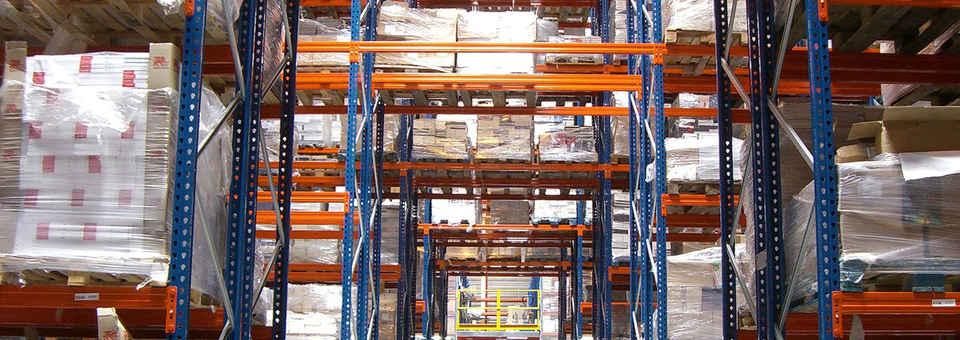
A material that is designed to handle storage aids and store materials on the pallets is called a Pallets rack. There are different types of pallet racks available all of which work on storing the materials in horizontal rows in multiple levels. Forklift trucks which are usually considered to be an important part of the......
-
 Read More
Pallet Racking System
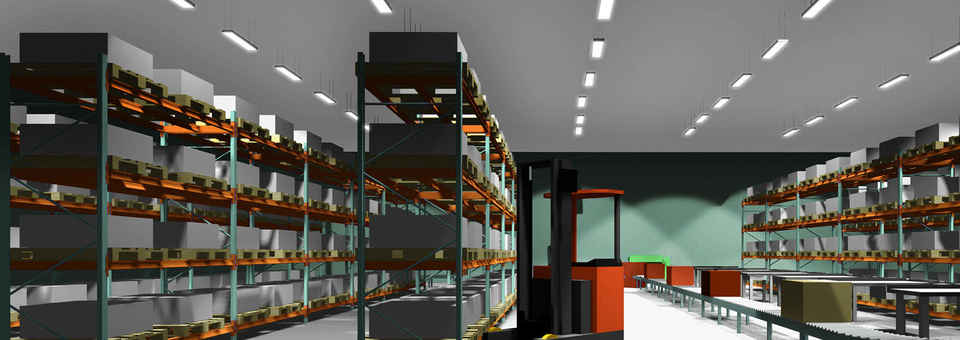
Pallet racking system is storing materials on the pallets. This system is widely used in the warehouses, retail centres, manufacturing units and distribution facilities. It improves the storage density of the space in the facility. Many different kinds of pallet storage system are used in the warehouses. The most common racking system used is the......
-
 Read More
Pallet Racking Shelving
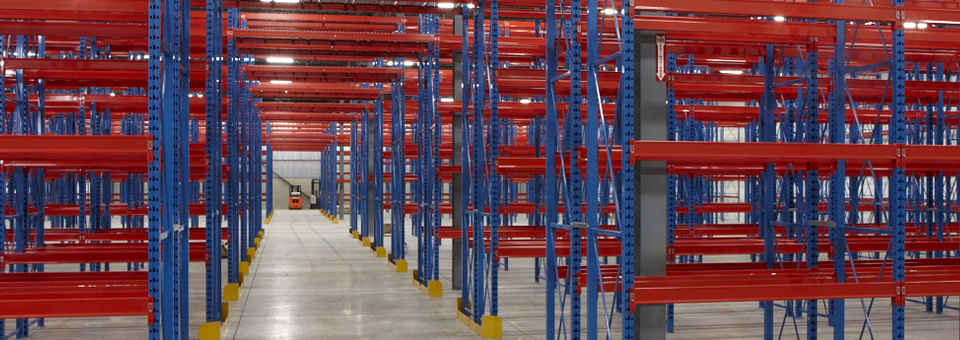
Pallets are used to store materials in huge quantities in warehouses, cold storages, manufacturing facilities, retail centres and the distribution facilities. Usually the pallets are shelved in to the rows using the forklift trucks or the carts. Shelving is done in two different ways. One is the direct access method where the each pallet is......
-
 Read More
Pallet Racking
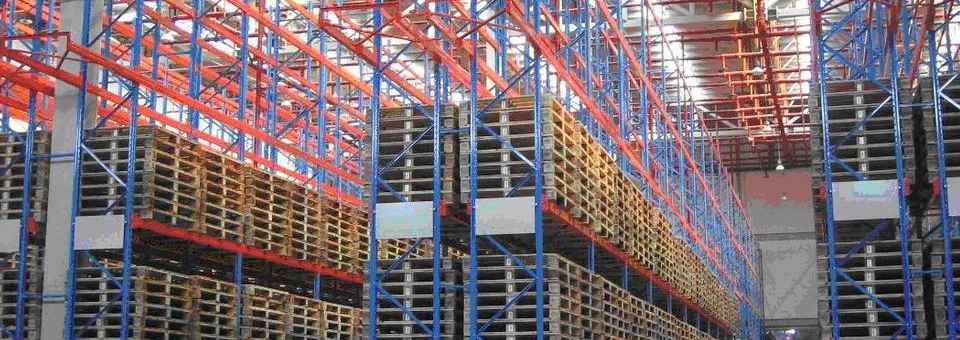
Pallet racking is a system of storing materials on the pallets in horizontal rows over multiple levels. Forklift trucks are used to lift and place the materials on the storage racks. This system is widely used in the distribution centres, warehouses, manufacturing facilities and retail centres. Pallet racking systems are available in many different types......
-
 Read More
Industrial Racking
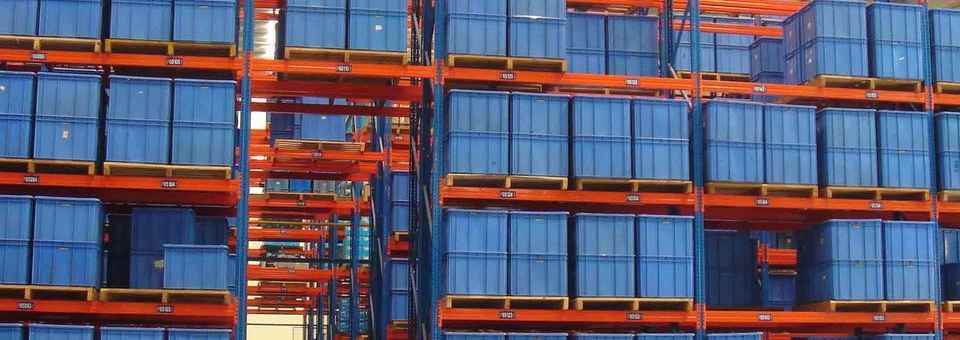
Industrial racking is mainly used in the warehouses where large sized products are stored. It is useful to organize and store the products in the pallets. Pallets are used to store the products and these pallets are moved with the help of a forklift truck to be placed on the carts. There are many advantages......
Pallet racks are widely used in the warehouses, distribution facilities, retail centres and manufacturing facilities. A material used to handle the storage aid system to stock the items on pallets is called a Pallets rack. There are many varieties of pallets available in the market. The purpose of all the pallets is storing the material horizontally in rows in multi level storage system. The loaded pallets are placed /on the storage racks with the help of the forklift trucks. The system of storing in pallets increase the density of storage and it is also very less expensive compared to the other forms of storage systems.
Different types of pallet storage racks come with different designs to comply specific functions. Every type has its own advantages. Before selecting a pallet rack for the use in the business, several factors must be considered like, storage density required, placement of columns and doors in the building, specifications of the building where the pallet will be placed, rotation and accessibility of the inventory, weight and size of the load that will be stored, estimated cost of the materials and its installation and the desired storage type.
The main varieties of pallet racks used in the businesses are Pallet flow, push back, drive-in and drive through and compact mobilized pallets.
Push back storage system pallet racks
This is a last in first out (LIFO) storage system. This storage system functions on storing items by organizing the space as per depth than organizing them according to the width. When the storage is organized as per depth, it reduces the aisle space and increases the density of the storage. The configuration of the depth arrangement allows the bay to be deep by six pallets and every pallet can be stored on the wheeled carts that fit perfectly on the rails. To take the advantage of the gravity, these rails are turned slightly towards the loading and the unloading side of the rack. This saves the pain and energy of moving heavy pallets from one place to another. The forklift truck puts the pallet on the cart, and drives forward which makes the pallets bump against each other to make the whole row roll towards back. When one pallet is removed from the front, the remaining pallets fall into the place.
[ad]
Drive in and drive through system
This storage system is also kwon as the drive thru system. This storage system works on the configuration of the racks where the forklift truck can directly drive through the bays (the stacked rows). The main difference between the drive in and the drive through storage systems is, the drive in storage system has opening only at one end and the drive through has openings at both the ends one for entry and another for exit. Because of only on entry and exit point, the drive in storage system, works on the LIFO, the last in first out method. The pallet that was put away at the last in the row will be the first one to be removed from the row. The drive through storage system works on the first in first out (FIFO) method. Because of the two points of entry and exit, the pallets are pushed down toward the other end from one point while loading and while unloading, the forklift truck lifts the pallets from the other end. This way the first pallet to be placed on the row is lifted first from the row. This system is useful when the material is perishable or is approaching its expiry date.
Pallet flow
This is a high density storage system. It works on using the depth to increase the storage capacity. A rail with rollers is slightly inclined to move the pallets smoothly on the storage rows. This system is also known as the dynamic flow or the gravity flow systems. It works either on a FIFO storage system, where the first one to be placed on the row is lifted first or LIFO storage system, where the last one to be placed on the rack is picked up first because of the single entry and exit option.
Compact mobilized pallet racks
This storage system is also known as the mobile industrial rack system or the motorized mobile pallet racks system. They are used in the warehouses where its design maximizes the use of space. This pallet racks can reduce the space utilized by the pallets storage into half and double the storage rack capacity in the same area. The rows of heavy duty pallet racks are moved on to the heavy duty rolling carriages and then placed on the floor tracks. These rows move sideways on the tracks creating a floating access aisle which is movable. These rows are moved with controls buttons or a remote control. The compact mobilized pallet racks have helped many warehouses and distribution facilities eliminate the building expansion and construction costs and reduce the operational costs.